Onion: benefits and properties
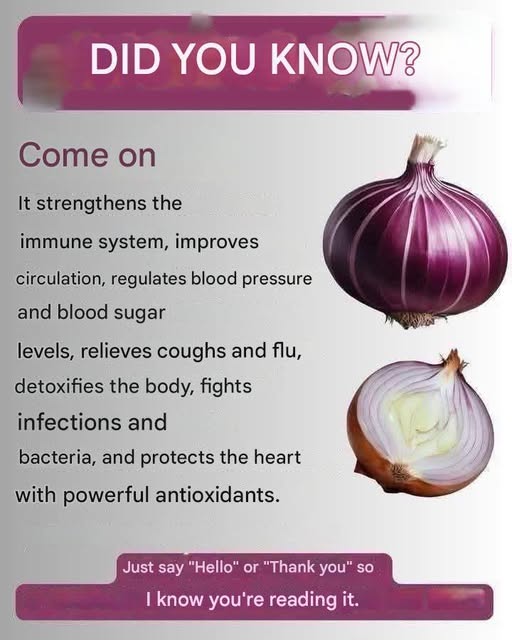
Onions : their benefits and properties have aroused great interest in the world of healthy nutrition. This bulb not only adds flavor and aroma to dishes, but is also considered a functional food thanks to its richness in antioxidants, vitamins, minerals, and sulfur compounds. Regular consumption helps strengthen the body and prevent many diseases, making it an indispensable ally in both gastronomy and natural medicine.
In this article, we’ll take a closer look at the properties of onions, their main health benefits, how best to prepare them to take full advantage of their active substances, and some important precautions to observe.


Nutritional value of onions
Onions are low in calories and rich in essential nutrients. Their composition includes:
Water: between 85% and 90% by weight.
Dietary fiber: promotes intestinal transit.
Vitamins: especially vitamin C, B vitamins (B6, folic acid) and small amounts of vitamins A and E.
Minerals: calcium, potassium, magnesium, phosphorus, iron and zinc.
Sulfur compounds: such as allicin, responsible for its characteristic odor and its antibacterial and anti-inflammatory action.
Flavonoids: in particular, quercetin, a powerful antioxidant.
Thanks to these properties, the onion is considered a functional food with various preventive benefits.
Health benefits of onions
1. Improves cardiovascular health
Sulfur compounds and quercetin help lower bad cholesterol (LDL) and increase good cholesterol (HDL). They also promote circulation and help prevent blood clots.
2. It strengthens the immune system.
The high vitamin C content strengthens the body’s natural defenses. Regular consumption of onions helps fight colds, flu, and other common infections.
3. Antibacterial and antiviral action
Onions have been used as a natural antibiotic since ancient times . The substances in onions can inhibit the growth of bacteria such as Escherichia coli and Salmonella.
4. Anti-inflammatory properties