Park Mystery Identified as a Squirrel Embryo After Dog Refused to Approach
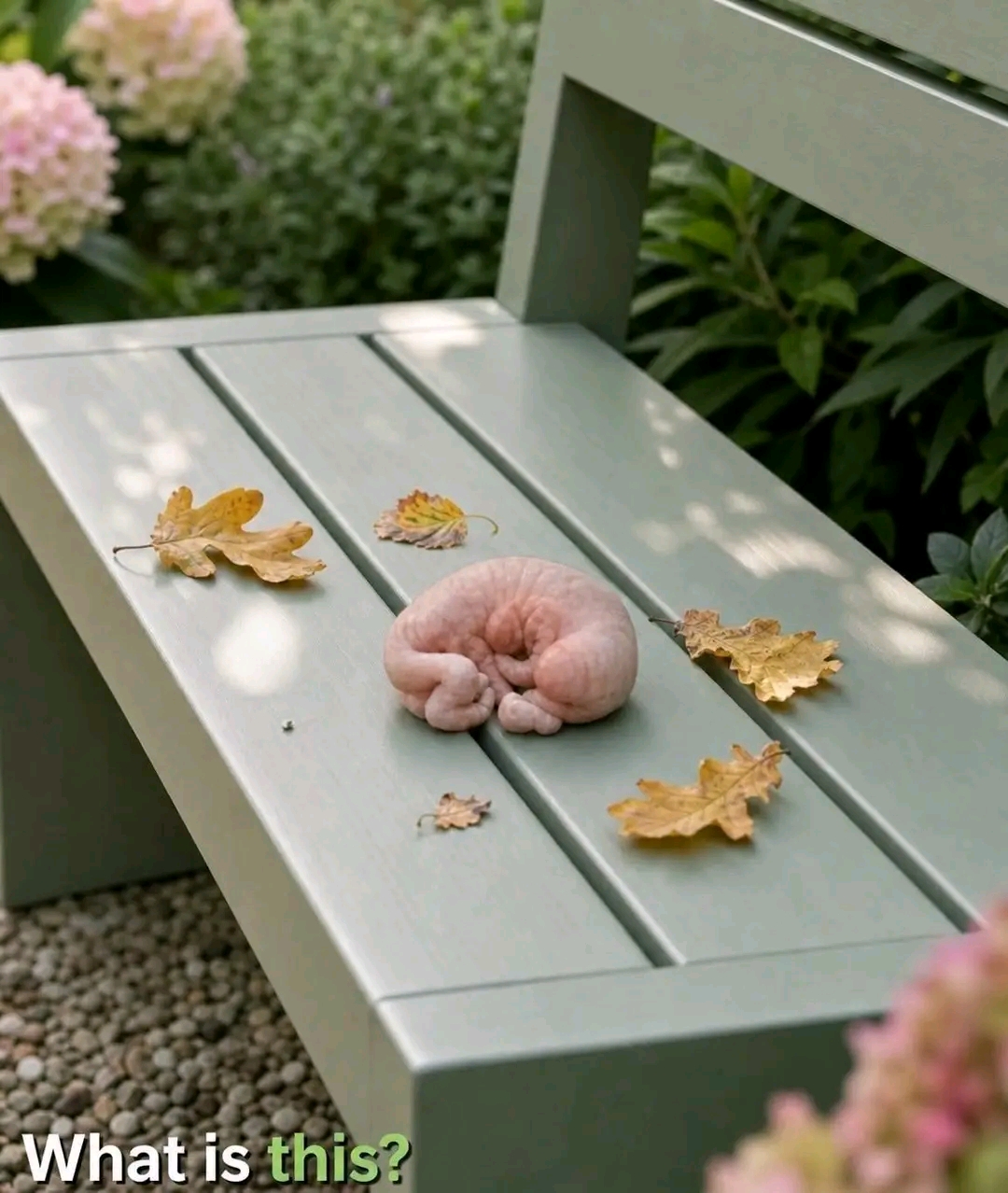
This morning, I took my dog for a walk in the park. When I sat on a bench to rest for a moment, I suddenly spotted this. My dog was too frightened to approach, so I kept my distance too, staring at it and wondering what it was. Does anyone know what this might be? See the first

An ordinary morning walk in the park became unsettling when a dog refused to approach a small pale object lying beside the path. The animal stopped abruptly, trembled, and pulled away. From a distance, the shape did not look clearly human, but it also did not resemble any familiar animal. Its size and fragile appearance made the discovery difficult to understand.The walker sat on a nearby bench and watched, torn between curiosity and caution. The dog’s reaction made approaching feel unwise. Animals often notice scent or movement that people miss, so the safest choice was to keep the leash short, maintain distance, and avoid touching something that might carry disease or attract a protective adult animal.After several minutes, the object remained still. It appeared small, hairless, and incomplete, with delicate limbs and skin that made identification especially hard. Wildlife in very early stages of development can look dramatically different from the adult species, which is why guesses based on ordinary animal shapes were unsuccessful.moving closer. The dog continued whining and seemed eager to leave, so they walked away rather than disturb the scene. Later, the pictures were shown to friends and neighbors. Suggestions ranged from a newborn rodent to a bird or an unusual plant growth, but none of the early answers felt convincing.Dogs
The images were eventually posted in a local group and compared with photographs on wildlife forums. That search produced the answer: the object appeared to be a squirrel embryo, an unborn baby squirrel. Its development had ended before the features people associate with a squirrel—fur, a recognizable tail, and a familiar head shape—had fully formed.